

5 Eco Friendly Candle Making Supplies For Non-Toxic Candles
At Small Flame Candle Company, we hand-pour every candle with intention, and that starts with choosing the right materials. Whether you're a DIY hobbyist or building a small candle brand, sourcing eco friendly candle making supplies matters more than most people realize. The waxes, wicks, dyes, and fragrances you pick directly affect indoor air quality, the environment, and the overall burn experience.
The problem? Not every product labeled "natural" or "eco-friendly" actually lives up to the claim. Some supplies still contain hidden additives, unsustainable palm derivatives, or synthetic compounds that defeat the purpose. Knowing what to look for, and what to avoid, saves you money and keeps your candles genuinely non-toxic from first light to last pool.
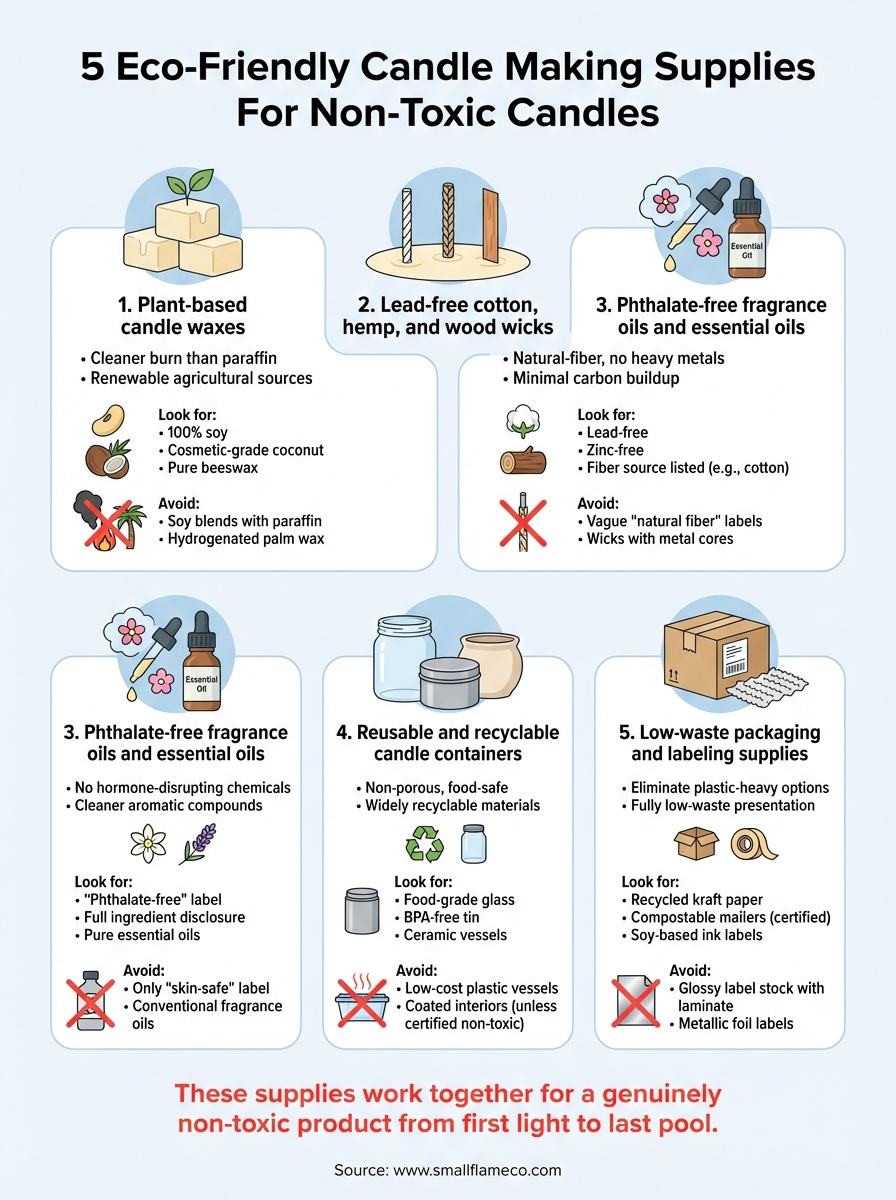
Below, we break down five essential eco-friendly candle making supplies that produce cleaner, safer candles. Each pick is based on real material performance, not marketing hype, the same standard we hold ourselves to when crafting our own hand-poured collection.
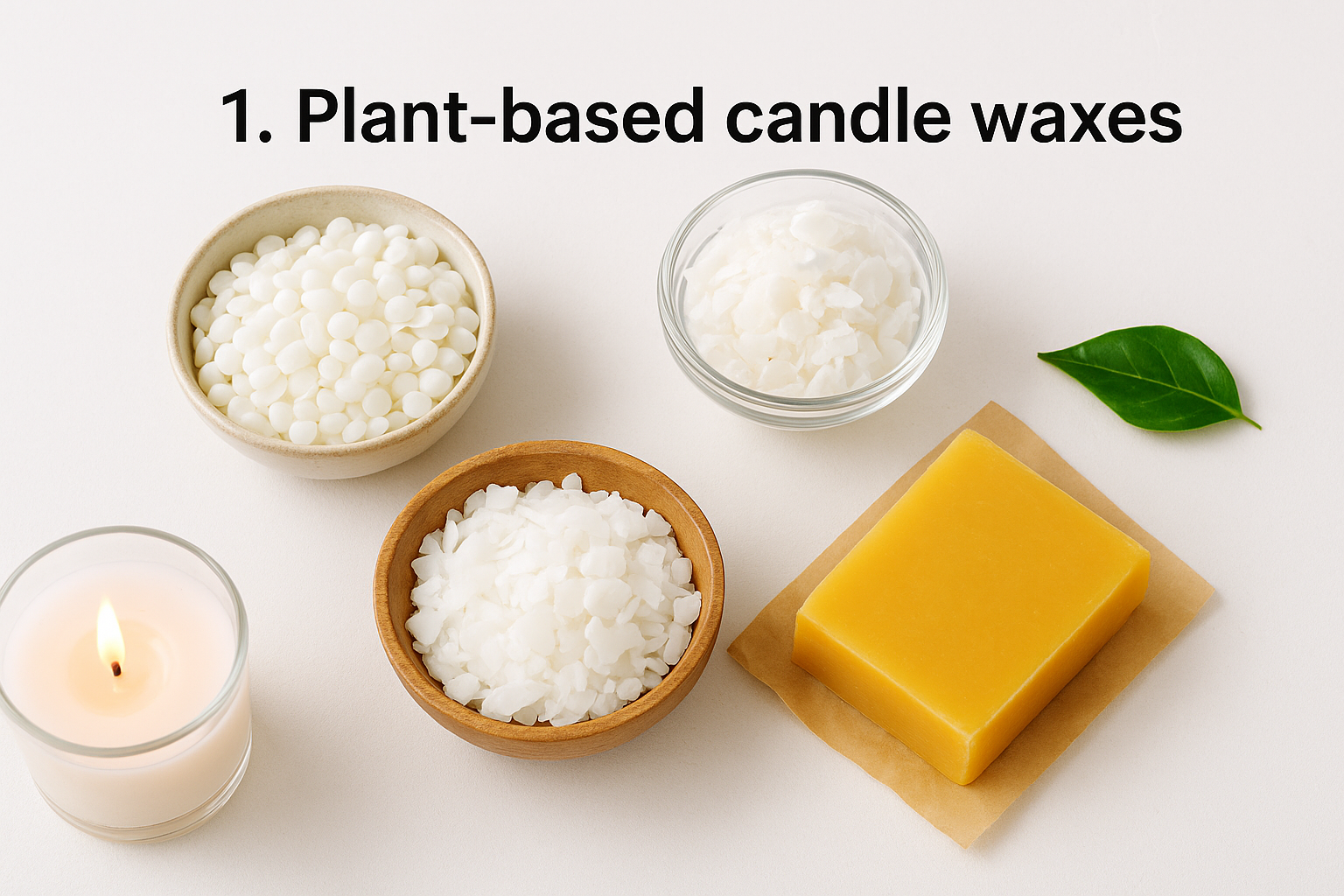
1. Plant-based candle waxes
The wax is the foundation of any candle, and choosing a plant-based option is the single biggest step toward a genuinely non-toxic product. Soy wax, coconut wax, rapeseed wax, and beeswax are the most common choices. Each burns cleaner than paraffin, which is petroleum-derived and can release harmful compounds like benzene when it combusts indoors.
What makes it eco-friendly and non-toxic
Plant-based waxes come from renewable agricultural sources rather than fossil fuels. Soy wax is derived from soybean oil and is fully biodegradable. Coconut wax burns slowly and produces minimal soot, making it one of the cleanest options across all eco friendly candle making supplies categories.
Beeswax is animal-derived, but it stays a non-toxic and sustainable choice when sourced from ethical, small-scale apiaries.
What to look for on product listings
Look for waxes labeled "100% soy," "cosmetic-grade coconut wax," or "pure beeswax." A reputable supplier will also list the melt point and pour temperature so you can match the wax to your container or mold type before ordering. Watch for these specific labels:
- Non-GMO soy wax from US-grown soybeans
- Organic coconut wax with a clear country of origin
- Pure beeswax with no bleaching agents or synthetic additives
Common pitfalls to avoid
The biggest trap is buying "soy blend" wax without checking what it's blended with. Many blends contain paraffin to cut production costs, which removes the eco benefit entirely. Also avoid hydrogenated palm wax marketed as natural; palm oil sourcing carries serious deforestation concerns in key growing regions.
Typical pricing
Expect to pay $3 to $6 per pound for soy wax in bulk. Coconut wax runs slightly higher at $5 to $9 per pound due to more intensive processing. Beeswax is the most expensive at $8 to $15 per pound, but its slower burn rate gives you more finished candle per pour.
2. Lead-free cotton, hemp, and wood wicks
The wick controls how your candle burns, and a bad wick can undermine even the cleanest wax. Older wicks often contained lead cores to keep them upright, releasing toxic metal particles into your air with every burn.
What makes it eco-friendly and non-toxic
Cotton, hemp, and wood wicks are all natural-fiber options that burn without releasing heavy metals or synthetic residues. Wood wicks add a soft crackling sound and produce minimal carbon buildup compared to synthetic alternatives.
What to look for on product listings
Look for wicks labeled "lead-free" and "zinc-free" with a clear fiber source listed. A good listing will also specify the wick diameter or series so you can match it to your container width before buying.
Always cross-reference the manufacturer's wick sizing chart with your container diameter to avoid tunneling or mushrooming.
Common pitfalls to avoid
Avoid wicks listed simply as "natural fiber" without specifying cotton, hemp, or wood. Vague labeling often means the seller cannot confirm the full material composition, which defeats the purpose of sourcing eco friendly candle making supplies in the first place.
Typical pricing
Cotton and hemp wicks run $5 to $12 for a pack of 50 to 100. Wood wicks cost slightly more at $8 to $15 per pack due to the added processing involved.
3. Phthalate-free fragrance oils and essential oils
Fragrance is what makes a candle memorable, but conventional fragrance oils often contain phthalates, chemical compounds used to help scent stick to surfaces. These compounds are linked to hormone disruption and poor indoor air quality, making them a serious concern in any candle recipe.
What makes it eco-friendly and non-toxic
Phthalate-free fragrance oils skip those chemical carriers entirely, relying on cleaner aromatic compounds instead. Pure essential oils go a step further, coming directly from plant distillation with no synthetic additives.
Essential oils are potent, so always check the recommended usage rate before adding them to your wax to avoid skin sensitization or overscenting.
What to look for on product listings
Look for fragrance oils explicitly labeled "phthalate-free" with a full ingredient disclosure or Safety Data Sheet available. Reputable suppliers of eco friendly candle making supplies will always provide that documentation on request.
Common pitfalls to avoid
Avoid fragrance oils listed only as "skin-safe" without a phthalate-free claim. Skin-safe does not automatically mean phthalate-free, and these two labels cover different standards entirely.
Typical pricing
Phthalate-free fragrance oils run $3 to $8 per ounce. Pure essential oils vary widely, from $5 to $30 per ounce depending on the plant source and extraction method.
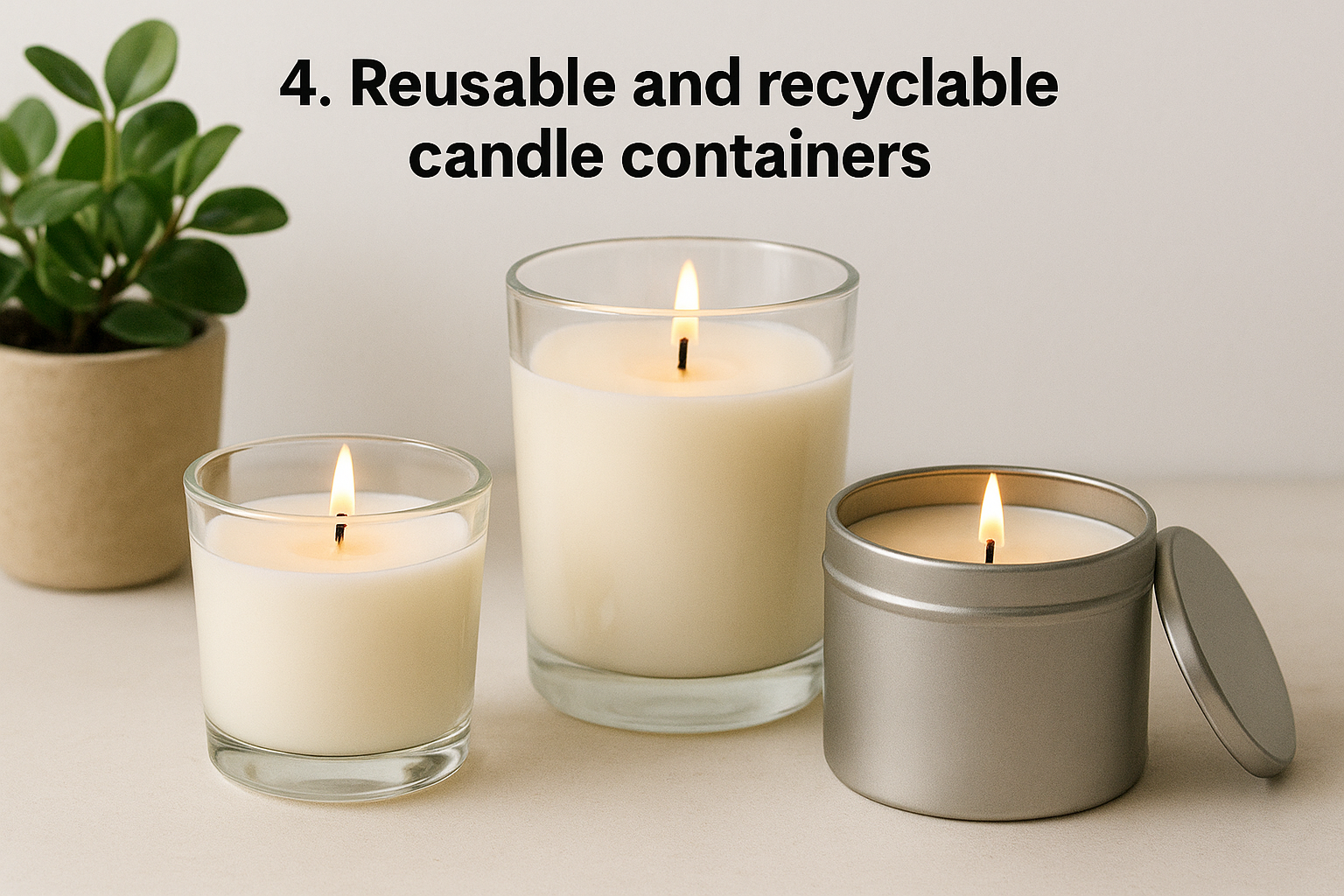
4. Reusable and recyclable candle containers
The container your candle sits in outlasts the wax by years, which makes it one of the most overlooked decisions when sourcing eco friendly candle making supplies. Choosing a reusable or fully recyclable vessel keeps material out of landfill long after the last burn.
What makes it eco-friendly and non-toxic
Glass, tin, and ceramic containers are non-porous and food-safe, meaning they release no chemicals when exposed to candle heat. Glass and tin are also widely accepted by standard municipal recycling programs, so end-of-life disposal is genuinely sustainable rather than wishful thinking.
What to look for on product listings
Look for containers labeled "food-grade glass" or "BPA-free tin" with a clear volume and neck diameter listed. Both measurements help you match your wick size and wax fill to the vessel before you place a bulk order.
Avoid containers with painted or coated interiors unless the seller confirms the finish is heat-rated and non-toxic at candle temperatures.
Common pitfalls to avoid
Avoid low-cost plastic vessels, even those labeled recyclable. Most plastic recycling streams reject small containers entirely. Plastic also risks leaching compounds when exposed to sustained heat from a burning candle.
Typical pricing
Glass jars typically cost $1 to $3 each in bulk. Tin containers run $0.75 to $2 each, and ceramic vessels range from $3 to $7 depending on size.
5. Low-waste packaging and labeling supplies
Once your candle is poured and cured, how you package and label it shapes your overall environmental footprint. Shipping mailers, tissue paper, and label stock all generate waste, and most conventional options end up in landfill within minutes of unboxing.
What makes it eco-friendly and non-toxic
Recycled kraft paper, compostable mailers, and water-activated tape eliminate plastic-heavy packaging entirely. Soy-based ink labels on recycled stock complete a fully low-waste presentation that aligns with the rest of your eco friendly candle making supplies.
What to look for on product listings
Look for packaging marked "FSC-certified" or "100% recycled content" with a full material breakdown listed. Strong listings will specify:
- Soy-based or water-based ink rather than petroleum-derived
- Compostable certification from a recognized body like BPI or TUV Austria
A mailer labeled "compostable" without third-party certification often just means it breaks down slower than standard plastic, not that it's genuinely home or industrially compostable.
Common pitfalls to avoid
Avoid glossy label stock with plastic laminate coatings, which standard paper recycling streams reject outright. Metallic foil labels carry the same disposal problem and are worth skipping entirely.
Typical pricing
Kraft mailers run $0.30 to $0.80 each in bulk. Recycled label sheets cost $15 to $35 per 100-sheet pack depending on size and finish.
Quick next steps
You now have a solid framework for sourcing eco friendly candle making supplies that actually deliver on the non-toxic promise. Start by auditing your current candle-making kit and swap out the highest-risk materials first, since paraffin wax and unknown fragrance oils tend to cause the most problems and are also the easiest to replace.
From there, build your supply list around the five categories covered here. Plant-based wax, lead-free wicks, phthalate-free fragrance, recyclable containers, and low-waste packaging work together as a complete system, not as isolated upgrades. Making one swap without addressing the others still leaves gaps in your finished product.
If you want to see how these material choices come together in a real candle, browse the Small Flame hand-poured coconut wax collection. Every candle there is built on a coconut-soy wax blend with lead-free cotton wicks and toxin-free fragrance oils, which makes it a useful reference point for your own sourcing decisions.