

What Are Wax Melts? How They Work and How to Use Safely
If you've walked past a display of colorful, oddly shaped wax pieces and wondered what are wax melts, you're not alone. They've become one of the most popular alternatives to traditional candles, and for good reason, they're flameless, versatile, and can fill a room with fragrance in minutes. But despite their growing popularity, plenty of people still aren't sure what they actually are or how they work.
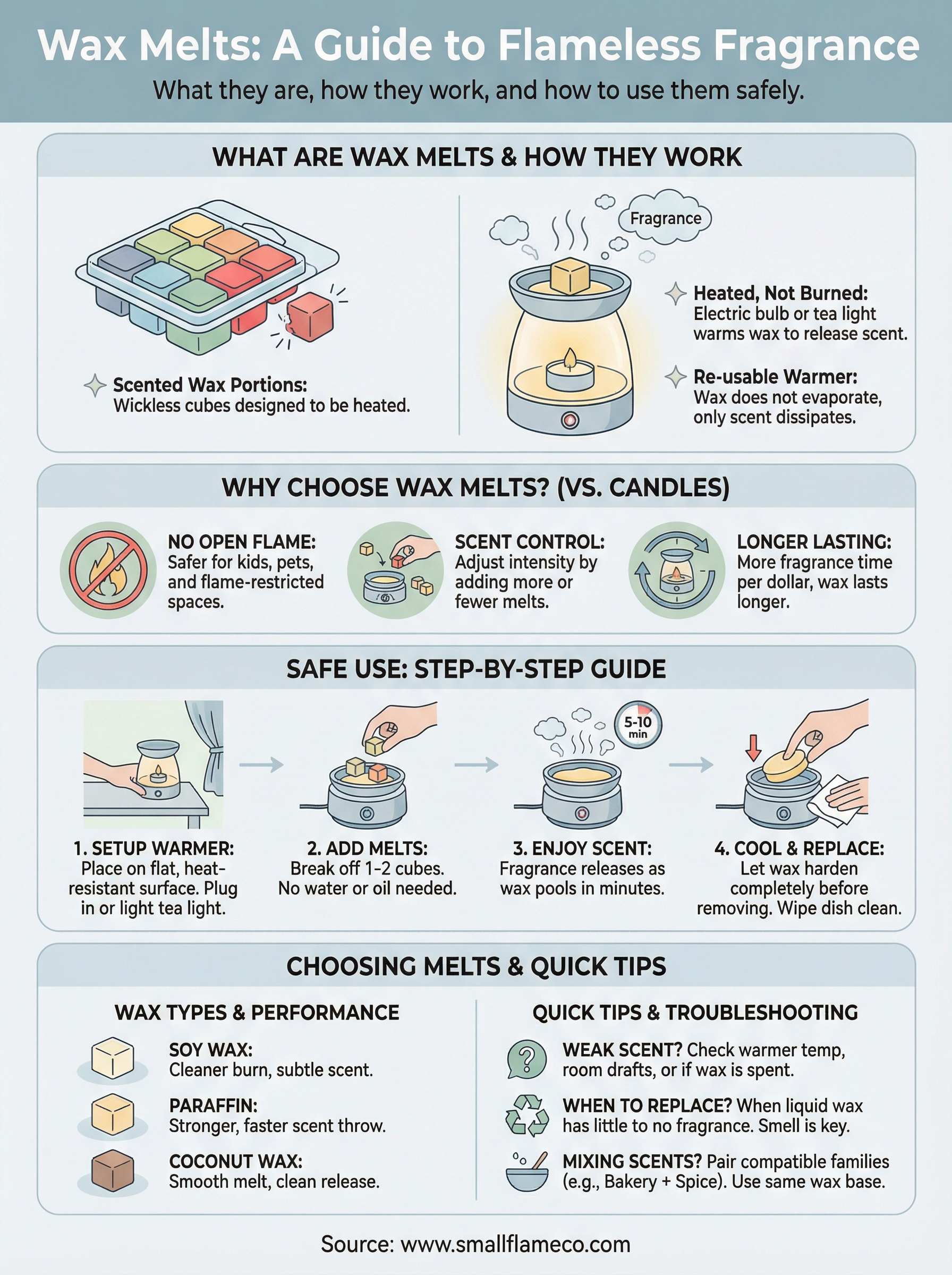
At their core, wax melts are small portions of scented wax designed to be slowly heated in an electric or tea light warmer. No wick, no open flame. The warmer does the work, releasing fragrance as the wax softens and pools. It's a simple concept that opens up a lot of flexibility, from mixing scents to controlling fragrance intensity, which is part of why we carry a full lineup of wax warmers here at Small Flame Candle Company alongside our hand-poured candles.
This guide covers everything you need to know: what wax melts are made of, how they compare to candles, how to use them with different types of warmers, and the safety basics that keep the experience worry-free. Whether you're brand new to wax melts or just want to get more out of the ones you already have, you'll walk away with a clear picture of how they work and how to use them well.
Why people use wax melts instead of candles
People choose wax melts for a few clear reasons: no open flame, more control over scent strength, and a lower cost per hour of fragrance than most candles offer. Once you understand what are wax melts and what makes them different from candles, the appeal is straightforward. Whether you're dealing with a no-candle rule at your apartment or just want more flexibility with how your home smells, wax melts handle those problems directly.
No flame, no worry
The biggest reason people make the switch is fire safety. Candles require an open flame, which means you need to keep an eye on them the entire time they're burning. Wax melts use an electric warmer or a contained tea light dish, so there's no exposed wick, no dripping wax, and no risk of leaving an active flame unattended. That makes them a practical choice in a lot of situations where candles simply aren't a good fit.
If your building, dorm, or rental property bans open flames, an electric wax warmer lets you enjoy home fragrance without breaking any rules.
Common settings where wax melts make more sense than candles include:
- Apartments or rentals with fire safety restrictions
- Homes with young children or pets that could knock things over
- Offices or workspaces where an open flame is a liability
More control over your scent experience
Scent strength is something candles give you little control over. You light one, and it throws fragrance at whatever intensity it was designed for. With wax melts, you control how much wax goes into the dish, which directly controls how strong the fragrance fills the room. Add one cube for something subtle, or two for a stronger throw. You can also combine different melts to create a blend that no single candle product could give you.
Switching scents is also faster and more practical. When you want something different, you let the wax cool and harden, pop it out, and reload the dish with a new melt. That kind of quick scent rotation is difficult to replicate with candles, where the fragrance is fixed from the moment the wax was poured.
Cost and longevity
Wax melts tend to give you more fragrance time per dollar than candles at a comparable price. A single cube typically releases scent for several hours, and a full pack stretches that further. Since there's no wick burning down and no wax being consumed by a flame, the product lasts longer and delivers fragrance more efficiently throughout its usable life.
Your warmer also becomes a reusable investment. Once you have one, the only ongoing cost is the melts themselves, which are generally less expensive than buying new candles every time you want a different scent in your space.
How wax melts work and what you need
Understanding what are wax melts mechanically is simple: heat softens the wax, and as it melts, fragrance oil disperses into the air around it. The wax itself doesn't burn or evaporate, which is why it lasts longer than a candle wick-and-wax setup. You're essentially using controlled, low heat to release the scent that's locked into the wax.
The heating process
Your warmer applies gentle, steady heat to the wax from below or above depending on the warmer style. Electric warmers use a built-in heating element, while tea light warmers use the flame from a small candle seated underneath the dish. Either way, the wax melts to a liquid pool in minutes and starts releasing fragrance. Once you turn off the warmer, the wax cools and re-hardens, ready to be reused until the scent fades.
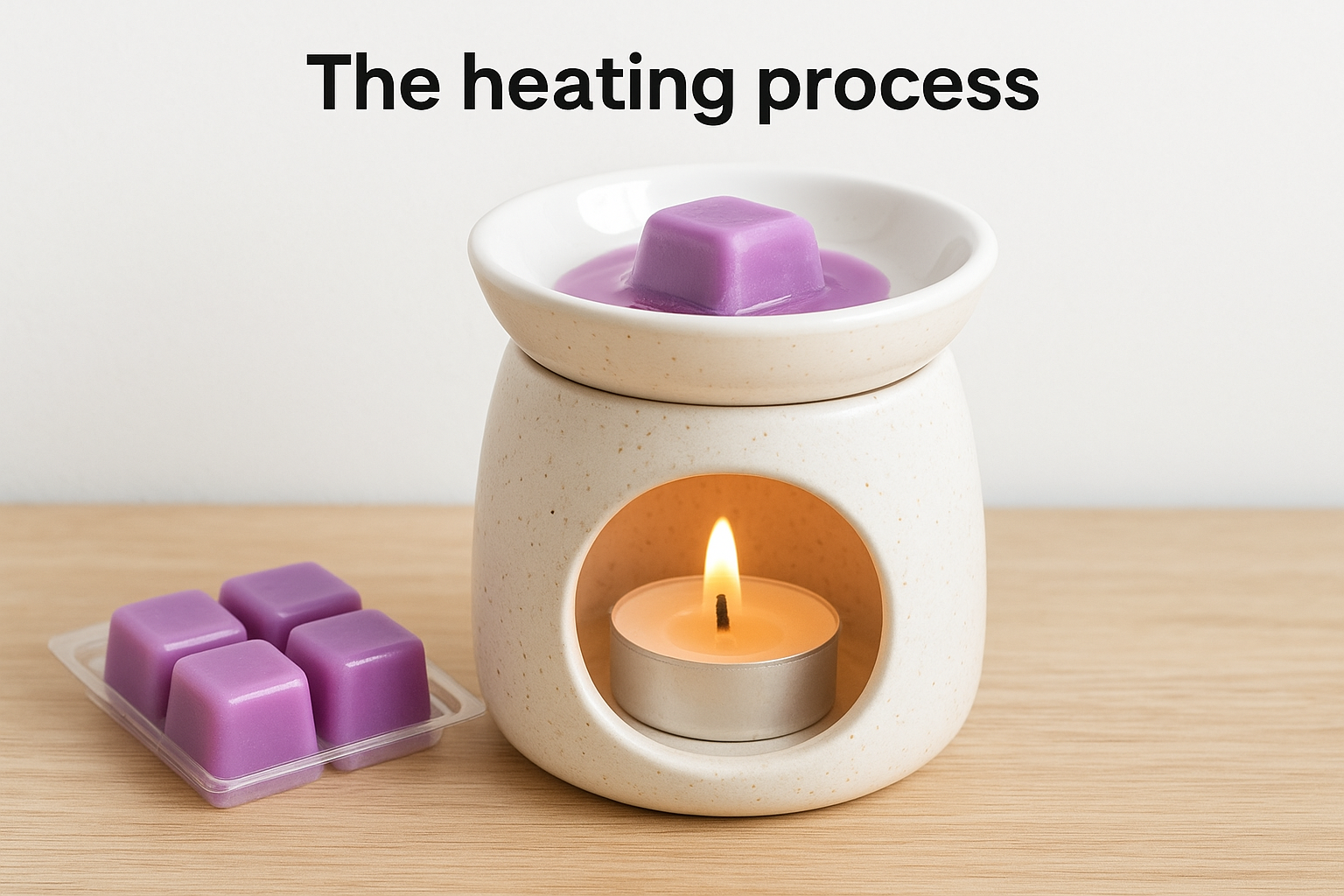
Once the scent fades, the wax itself is spent. A fresh melt is the only way to bring the fragrance back.
What you need to get started
Getting started requires two things: a warmer and wax melts. Electric warmers are the most common choice because they give you consistent heat and don't require you to stock tea lights. Fan warmers work differently by blowing air over the wax rather than heating it directly, which suits scent-sensitive users who want lighter fragrance output.
Beyond the hardware, all you need are the melts themselves. Most come in pre-portioned cubes or clamshell packs, so you can break off exactly as much as you want without any measuring or mess.
How to use wax melts safely step by step
Now that you know what are wax melts and how they work, using them correctly comes down to a few straightforward steps. The process is simple, but a handful of small details make a real difference in both safety and scent performance. Getting those details right from the start means you'll avoid the most common mistakes that newer users run into.
Setting up your warmer
Place your warmer on a flat, heat-resistant surface away from curtains, paper, or anything that could be damaged by prolonged low heat. Plug it in or, if you're using a tea light model, seat a fresh tea light firmly in the base before adding any wax to the dish. Never leave a tea light warmer running without someone in the room, since an unattended flame is still a risk even inside a warmer.
Keep your warmer at least a foot away from edges where children or pets could pull it down.
Adding and replacing wax melts
Break off one or two cubes from your pack and place them directly in the warmer dish. You don't need to add water or oil. As the wax softens, it releases fragrance into the room, and the scent usually becomes noticeable within five to ten minutes. When you're done, turn off the warmer and let the wax cool completely before touching it.
Removing spent wax is straightforward once it hardens. Press gently on one edge of the wax disc and it will pop out cleanly. Wipe the dish with a dry paper towel before loading in your next melt to keep the dish clean and ready.
Choosing wax melts: wax types, scents, strength
Once you understand what are wax melts and how they work, picking the right ones comes down to three factors: wax base, fragrance family, and scent throw strength. Each affects how the melt performs in your warmer and how it fills a room. Knowing what to look for before you buy saves you from spending money on melts that don't suit your space.
Wax types and what they mean for you
The most common bases are soy wax, paraffin, and coconut wax. Soy wax releases fragrance gradually and burns cleaner, which makes it a solid pick for smaller rooms or anyone sensitive to strong scent. Paraffin delivers a faster, more powerful throw and shows up most often in budget-friendly options. Coconut wax lands between the two, with a smooth, even melt and a clean release that works especially well with layered or complex fragrance blends.
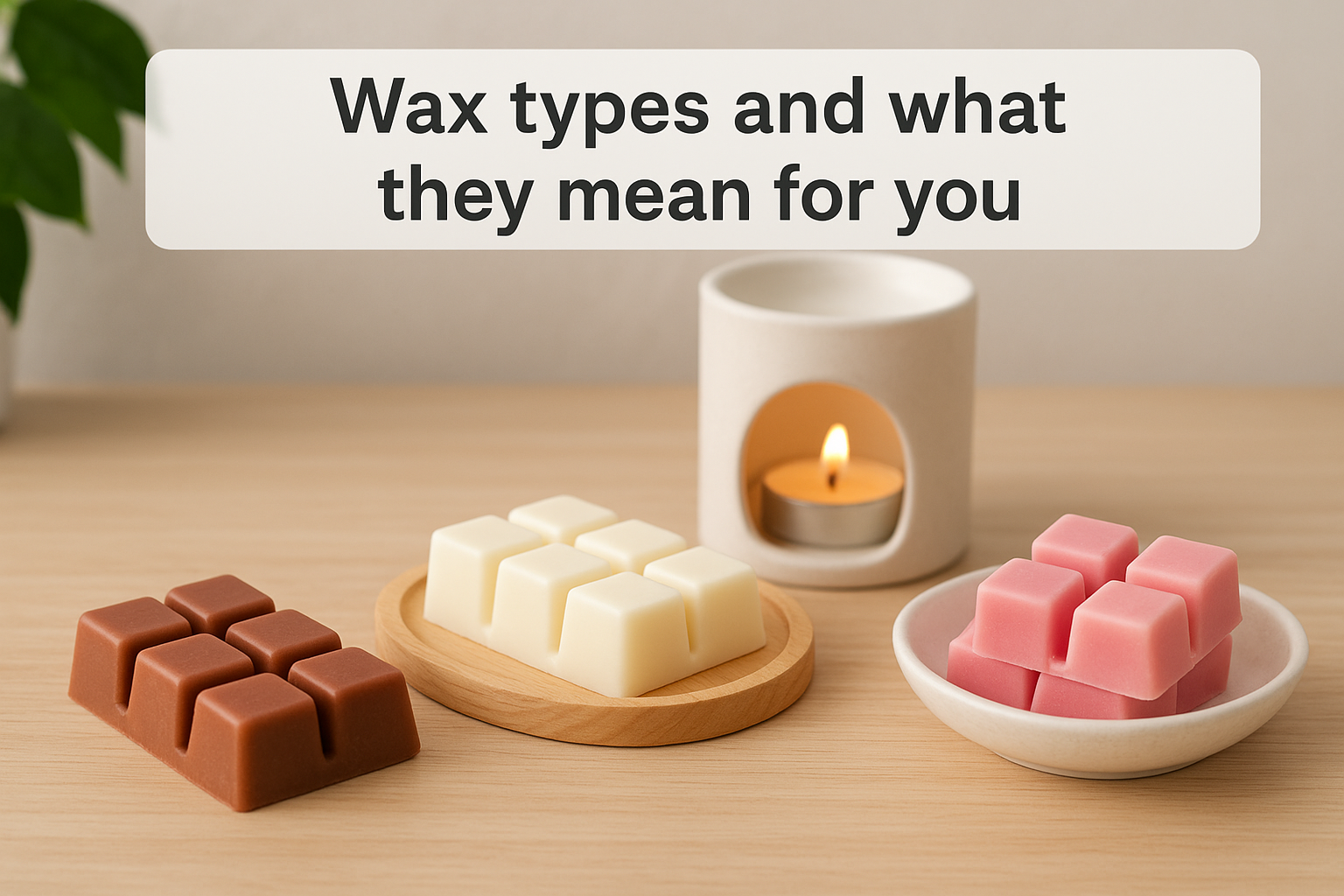
If you're new to wax melts, soy or coconut wax is a reliable starting point since both offer consistent performance without overwhelming a room.
Scent strength and how to find your level
Fragrance load refers to how much scent oil the wax contains, and it's the main driver of throw strength. High-load melts fill large rooms quickly but can feel overpowering in a compact space. Starting with one cube lets you test how a scent behaves in your specific room before adding more.
Scent families are also worth thinking through before you buy. Bakery and food-inspired scents tend to work well in living areas or kitchens, while fresh and floral options suit bedrooms or bathrooms where you want something lighter. Matching the scent direction to the room helps you get the most out of every melt you use.
Wax melt FAQs and quick fixes
Even once you know what are wax melts and how to use them, a few common questions come up regularly. The answers are usually simple, and fixing most problems takes less than a minute once you know what to look for.
Why isn't my wax melt throwing scent?
Scent throw depends on two main factors: warmer temperature and room conditions. If your melt is fully liquid but the fragrance is faint, your warmer may not be getting hot enough, or the wax has simply lost its scent load from repeated uses. Try a fresh cube first and see if the throw improves before replacing the warmer itself.
Open windows or heavy air circulation can push fragrance away from where you're sitting, making the scent seem weaker than it actually is.
Common causes of weak scent throw include:
- Spent wax that has already released its full fragrance load
- A warmer running at too low a temperature for the wax type
- Drafts or active ventilation in the room pulling the scent away
How do I know when to replace the wax?
You'll know the wax is spent when it melts completely but produces little to no scent. The wax won't change color or texture in any noticeable way, so smell is your only reliable indicator. Once the fragrance is gone, pop the cooled disc out, wipe the dish with a dry paper towel, and load a fresh melt.
Can I mix different wax melts together?
Mixing works well when you pair scents from compatible fragrance families, such as a bakery scent layered with a vanilla or warm spice note. Start with one cube of each and adjust the ratio based on how the blend fills your specific room.
When mixing, using melts from the same wax base produces the most consistent results, since different bases pool at slightly different temperatures. Soy and coconut wax melts in particular tend to blend evenly and release a combined scent without one overpowering the other.
Next steps
You now have a complete answer to what are wax melts, how they work, and how to use them safely. From picking the right wax type to troubleshooting a weak scent throw, the core concepts are straightforward once you see how each piece fits together. The biggest step is simply trying one and getting a feel for how melts behave in your specific space.
If you want to start with a wax base that performs consistently and releases a clean, even scent, our coconut-soy blend melts are a strong first choice. They pool evenly, work well with a wide range of fragrance families, and pair well with any standard electric warmer. Browse the Small Flame Candle Co. coconut wax collection to find scents that match what you're looking for. Every product is hand-poured in small batches, so you're getting a consistent, quality melt from the start.