

What Is Cold Throw in Candles? How to Tell If It’s Strong
You pick up a candle, bring it to your nose, and get hit with a wave of vanilla and brown sugar before you ever strike a match. That first impression is exactly what cold throw in candles refers to, the strength and quality of a scent released by a candle while it's still unlit. It's one of the first things shoppers notice, and for good reason: a strong cold throw tells you a lot about what to expect once the flame is going.
At Small Flame Candle Company, we hand-pour every candle with fragrance load and wax type carefully considered, because both directly affect how a candle smells on and off the wick. Whether you're a candle buyer trying to judge quality before purchasing or a maker fine-tuning your craft, understanding cold throw gives you a real edge. This article breaks down what cold throw actually is, how it compares to hot throw, and what to look for when testing the scent strength of an unlit candle.
Why cold throw matters
Cold throw is often the first real test a candle faces. When you browse a candle display or receive one as a gift, the unlit scent is your only preview of what that candle will actually deliver. A weak cold throw can mean the candle was under-fragranced, rushed through production, or made with a wax type that binds fragrance oil too tightly to release much scent at room temperature. That first sniff tells you more than you might expect about the care and quality that went into making it.
Cold throw shapes your buying decision
When you're shopping for candles, you rarely get to light one on the spot. That means the cold throw is essentially your product demo. A strong, accurate cold throw indicates that the maker used a sufficient fragrance load and that the scent molecules are active enough to travel off the wax without heat. If the candle smells faint, flat, or nothing like the label describes, that's a signal worth taking seriously before you commit to a purchase.
A candle that smells bold and true while unlit is far more likely to fill a room once it's burning.
Cold throw reflects candle craftsmanship
For candle makers, cold throw is a practical measure of quality control. The fragrance percentage, the wax type, and the cure time after pouring all determine how well a candle performs before it's ever lit. A properly made candle given adequate cure time typically develops a noticeably stronger cold throw within 24 to 48 hours of pouring, and that scent strength often keeps improving over the next several days as the fragrance oil fully bonds with the wax.
Rushing a candle to market before it's fully cured is one of the most common mistakes new candle makers make. Skipping that cure window cuts short the process where fragrance oil and wax bind properly, and the result shows up immediately as a flat, underwhelming cold throw.
Cold throw vs hot throw and why they differ
Cold throw and hot throw both describe fragrance performance, but they measure it under different conditions. Cold throw is the scent from an unlit candle at room temperature. Hot throw is the scent a candle releases while burning and the wax pool is active. Both matter when you're evaluating candle quality.
What hot throw actually measures
Hot throw depends on heat activating fragrance molecules in the melted wax pool. When the flame heats the wax, fragrance oil evaporates and spreads into the room. A candle with a strong hot throw will noticeably fill a space within minutes of lighting.
A candle can have a strong cold throw and a weak hot throw, or the reverse, which is why both are worth testing.
Wick size, wax type, and fragrance load all affect how efficiently heat drives the scent out of the melted wax and into the air around you.
Why cold throw and hot throw often differ
Fragrance oil volatility is the main reason these two differ. Some oils release scent molecules easily at room temperature, creating a bold cold throw before you ever light the wick.
Others need heat to activate, which means their cold throw feels faint but their hot throw delivers. Understanding what is cold throw in candles versus hot throw helps you read a candle accurately at every stage.
How to judge cold throw before you buy
When shopping in person, the simplest test is to hold the candle several inches from your nose rather than pressing it directly to the opening. If you understand what is cold throw in candles, you know you're evaluating natural scent diffusion at room temperature, not just the concentrated surface oils near the rim.
Test the scent from a distance
Hold the candle at arm's length and take a slow, steady breath. A well-made candle should offer a clear, detectable scent from 6 to 12 inches away without any effort. If you have to press your nose into the jar to catch anything, the fragrance load is likely too low to perform well once the candle is burning.
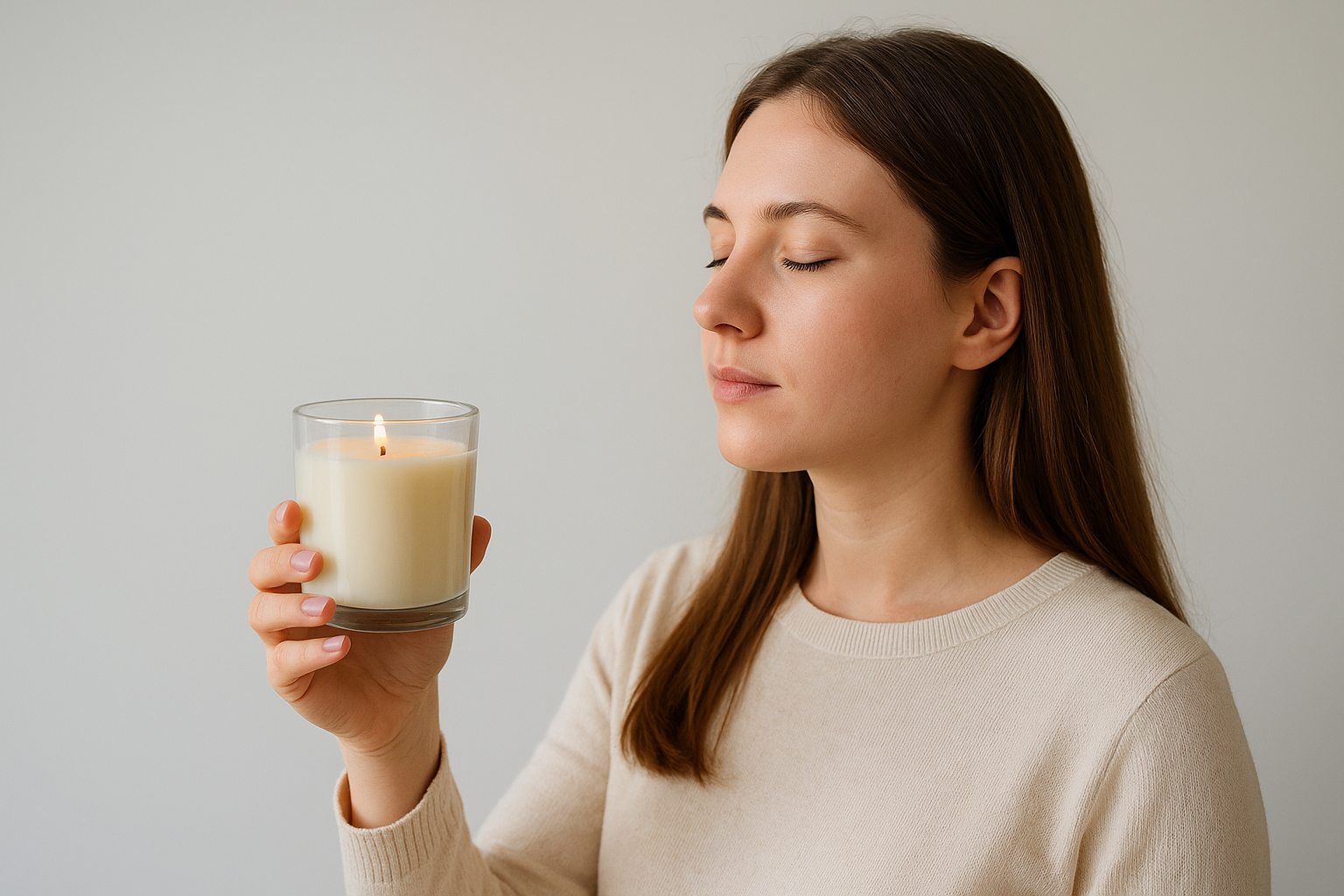
The distance test is the most honest way to gauge cold throw without ever lighting a wick.
Check the scent accuracy
A strong cold throw should also smell true to the label description. If a candle is marketed as peach cobbler but smells generic or slightly off at room temperature, that mismatch is worth noting before you buy. Accurate scent representation signals that the fragrance oil quality is high and the maker didn't cut corners on the blend.
What affects cold throw in a candle
Several variables work together to determine how strongly a candle smells before you light it. Wax type, fragrance concentration, cure time, and storage conditions each play a direct role in the scent strength you detect at room temperature.
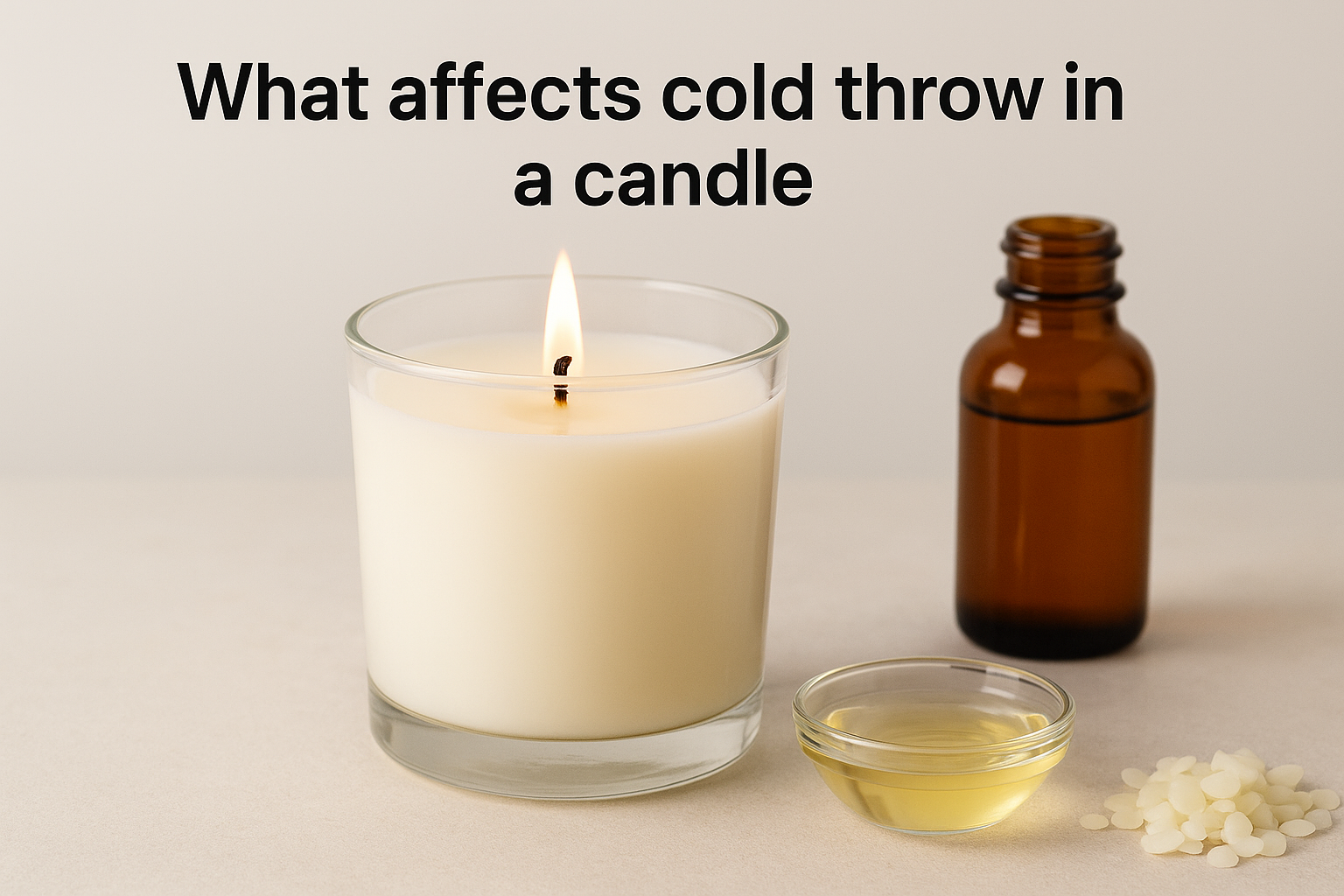
Wax type and fragrance load
The wax you use determines how well fragrance oil binds and releases at room temperature. Soy wax is known for holding fragrance oil efficiently and releasing it gradually in cold conditions, which is why many hand-poured candles use it as a base. Paraffin tends to release scent more aggressively in cold throw because it binds less tightly to fragrance molecules. Fragrance load, typically between 6 and 12 percent by weight, also sets the ceiling on how much scent is available to diffuse before the wick is ever lit.
Pushing fragrance load above the wax's recommended limit does not always mean a stronger throw; it can cause the oil to pool or separate instead.
Cure time and storage
If you want to understand what is cold throw in candles at its best, cure time is the variable most often overlooked. Allowing a candle to rest for at least 48 hours after pouring gives fragrance oil time to fully bind with the wax. Storing candles in a cool, stable environment also preserves scent integrity before they reach you.
How to improve cold throw when making candles
If you want better results from your candles, adjusting fragrance load and cure time are the two most effective levers you control. Understanding what is cold throw in candles helps you target the right variables instead of guessing why a batch smells flat straight out of the pour.
Increase fragrance load within safe limits
Most waxes hold between 6 and 12 percent fragrance oil by weight, and working toward the higher end of your specific wax's recommended range is a reliable way to strengthen cold throw. Test in small batches and weigh ingredients precisely, because exceeding the wax's binding capacity causes seepage or poor adhesion rather than a stronger scent. A few practical habits help here:
- Use a kitchen scale rather than volume measurements for accuracy
- Log each batch's fragrance percentage so you can repeat or adjust results
- Stick to fragrance oils rated for candle use, since cosmetic or diffuser oils behave differently in wax
Give your candles time to cure
Cure time directly affects how much fragrance oil bonds to the wax before a candle reaches a shelf or a customer. A minimum of 48 hours is a starting point, but many makers find that waiting five to seven days produces a noticeably stronger and more complex cold throw.
Patience during the cure phase costs nothing and consistently produces a better-smelling candle.
Keep finished candles in a cool, stable space away from direct light or heat during that window to protect scent integrity.
Key takeaways
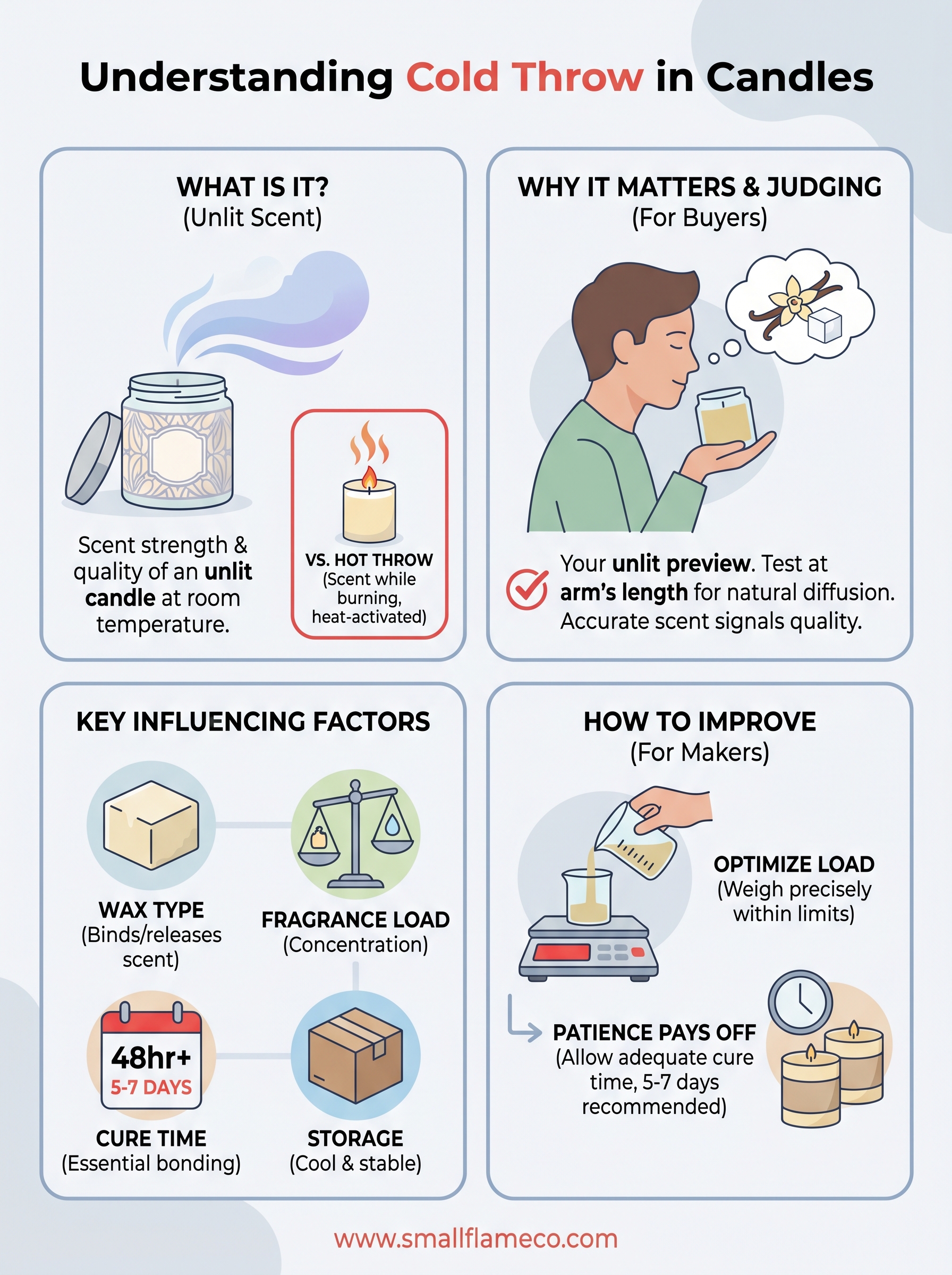
Understanding what is cold throw in candles gives you a real advantage, whether you're buying or making them. Wax type, fragrance load, and cure time are the three biggest variables that shape how strong an unlit candle smells. If you're shopping, hold the candle at arm's length and look for a scent that matches the label rather than smelling flat or generic.
For makers, improving cold throw comes down to two practical moves: working near the upper limit of your wax's recommended fragrance percentage and giving every batch adequate cure time after the pour. Skipping the cure window is the quickest way to end up with a disappointing candle no matter how quality the fragrance oil is.
If you want to see what strong cold throw looks like in practice, explore the hand-poured coconut wax candles at Small Flame Candle Co. and find a scent worth bringing home.